 HoneyFil®

Caffeine borrows energy, it doesn't create it
Caffeine works by blocking adenosine — the molecule that accumulates through your waking hours and produces the sensation of tiredness. Blocking the signal does not clear the backlog. The adenosine keeps accumulating behind a door that eventually opens.
That is the afternoon crash. Not caffeine neutrally wearing off, but several hours of suppressed tiredness arriving at once, on top of the tiredness you would have had anyway.
Two things make this a worse deal after 45 than it was at 25. Caffeine clearance tends to slow with age, so a given dose lingers longer — a 3pm coffee that was harmless at 25 can still be measurably present at bedtime at 55. And the causes of fatigue shift: at 25 it is usually sleep debt; at 55 it more often involves sleep quality, body composition, activity levels and recovery capacity, none of which caffeine touches.
Sleep is the whole foundation
Nothing else on this list matters as much, and nothing else is as commonly neglected.
The change worth understanding is that sleep architecture shifts with age. Total hours may stay similar while the proportion of deep slow-wave sleep — the most physically restorative stage — declines from roughly your thirties onward. So a man can sleep seven hours and still wake unrefreshed, which is genuinely confusing if you are only counting hours.
What actually helps, in rough order of impact:
- A consistent wake time, seven days a week. More important than bedtime. Weekend lie-ins shift your circadian rhythm and produce a Monday that feels like jet lag.
- Morning daylight within an hour of waking. Ten to fifteen minutes outdoors anchors the rhythm that determines when melatonin releases that night.
- A cool, dark bedroom. Core body temperature has to drop for sleep to initiate. Around 18°C suits most people.
- Alcohol earlier, or less. Alcohol shortens sleep onset and then fragments the second half of the night, suppressing REM. It is among the most common reasons men in this age group wake at 3am.
- Screens dimmed, not necessarily banished. Brightness and engagement matter more than blue light specifically.
Protein and the breakfast problem
Protein requirements rise with age rather than falling, because of anabolic resistance — older muscle needs a larger dose of protein in a single sitting to trigger the same synthesis response.
Most men distribute protein badly: minimal at breakfast, moderate at lunch, and most of the day's total at dinner. That leaves the entire first half of the day below the threshold that supports muscle maintenance.
The practical fix is unglamorous: get meaningful protein into breakfast. Eggs, Greek yoghurt, cottage cheese, or a shake if mornings are rushed. Men who make this one change frequently report steadier late-morning energy within a fortnight, partly through blood sugar stability and partly through simply not being under-fuelled until noon.
The other half of the breakfast problem is what most men eat instead — refined carbohydrate on an empty stomach, producing a rise and then a fall that arrives around 11am and gets misread as needing more coffee.
Movement, and the paradox
The counterintuitive part: expending energy through exercise increases available energy. Regular activity improves mitochondrial density, insulin sensitivity, circulation and sleep quality, all of which feed back into how you feel at 3pm.
Two things matter most after 45:
- Resistance training, twice weekly. Muscle mass declines from around the fourth decade without a stimulus to maintain it, and muscle is metabolically active tissue. Two sessions a week is enough to change the trajectory.
- Walking. Unfashionable and effective. A daily walk improves circulation, supports sleep and is sustainable in a way that a punishing programme is not.
Also worth naming: prolonged sitting is independently associated with fatigue regardless of how much you train. Standing and moving briefly every hour does more for afternoon alertness than most people expect.
Hydration, briefly
Mild dehydration measurably affects alertness and perceived effort, and thirst perception blunts with age — meaning you can be under-hydrated without registering thirst. This is the cheapest item on the list and the one most likely to be dismissed. A glass of water on waking and one with each meal covers most of it.
Caffeine timing, if you keep it
None of this requires giving up coffee. It mostly requires moving it.
Caffeine's half-life is roughly five to six hours in most adults, and longer in some. A 3pm coffee therefore still has meaningful caffeine circulating at 9pm. The single highest-value change for most men is a hard cutoff by early afternoon — around 2pm for most, midday if you are sensitive.
Delaying the first coffee by sixty to ninety minutes after waking also tends to reduce the mid-morning dip, since it avoids stacking caffeine on top of the natural cortisol peak that is already doing the job.
In order of impact
- Consistent wake time and morning daylight
- Protein at breakfast, not just at dinner
- Resistance training twice a week, plus daily walking
- Alcohol earlier in the evening, or less of it
- Caffeine cutoff by early afternoon
- Water on waking and with meals
Where supplements fit
Last on the list, deliberately. A supplement cannot compensate for five hours of sleep and no movement, and any product marketed as though it can is overpromising.
Where a stimulant-free formula can reasonably fit is as support alongside the foundations above — ingredients associated with normal energy metabolism and healthy circulation, taken consistently, without a stimulant creating a spike to pay back later. That is the category HoneyFil sits in, and the honest framing is support rather than solution. Individual results vary.
If you are evaluating options, our buyer's guide covers the red flags worth avoiding.
When to see a doctor instead
Persistent fatigue is a symptom, and several common and treatable conditions produce it. See a healthcare professional rather than reaching for a supplement if your tiredness is sudden or severe, if it comes with breathlessness, chest discomfort, unexplained weight change or low mood, if you snore heavily or your partner has noticed you stop breathing during sleep, or if it simply has not improved after a genuine attempt at the foundations above.
Sleep apnoea, thyroid disorders, anaemia, low vitamin D and blood sugar problems are all common in this age group, all produce persistent fatigue, and all are straightforward to test for. Ruling them out is a far better use of your time than another supplement.
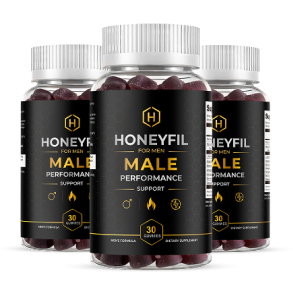
One gummy a day. That's the whole routine.
HoneyFil is a once-daily men's vitality gummy formulated to support circulation, sustained energy and stamina as part of a healthy lifestyle — without harsh stimulants and without a subscription.
Order HoneyFilOne-time purchase · 60-Day Satisfaction Promise · Free US shipping on 3+ bottles
Frequently asked questions
Common causes include reduced deep sleep, declining muscle mass, low daytime activity, poorly distributed protein intake and late caffeine or alcohol. Several treatable medical conditions also cause persistent fatigue — including sleep apnoea, thyroid disorders, anaemia and low vitamin D — so see a healthcare professional if it persists.
Consistent wake times, morning daylight, protein at breakfast, resistance training twice weekly, daily walking and adequate hydration produce more durable improvements than stimulants, because they address the causes of fatigue rather than blocking the signal.
Caffeine's half-life is roughly five to six hours, so a cutoff by early afternoon — around 2pm for most people, earlier if you are sensitive — avoids meaningful caffeine still circulating at bedtime.
Regular activity increases available energy over time by improving mitochondrial density, insulin sensitivity, circulation and sleep quality, even though any individual session is expenditure.
Stimulant-free formulas aim to support normal energy metabolism and healthy circulation rather than block tiredness signals, so they work gradually rather than producing an immediate lift. They work best alongside sleep, nutrition and movement rather than in place of them. Individual results vary.